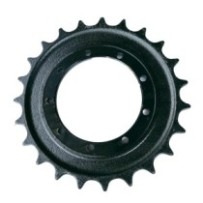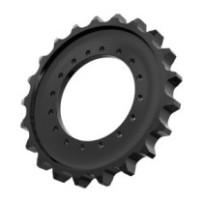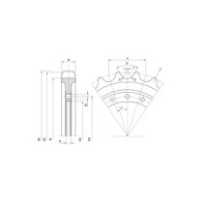
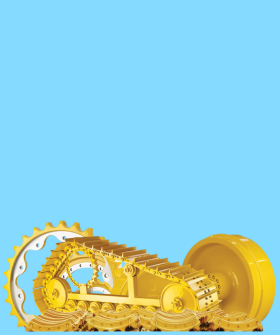



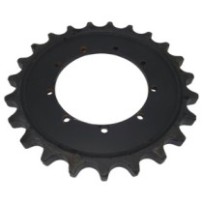
The drive wheel for HITACHI ZX27, ZX29, ZX30, and ZX35 mini excavators is a key component of the undercarriage, responsible for transferring torque to the tracks. Thanks to its solid construction and the use of high-quality materials, the wheel ensures stable and smooth movement of the machine in all terrain conditions, even during intensive use.
Drive sprocket for Hitachi excavators and bulldozers
The drive wheel for HITACHI ZX27, ZX29, ZX30, and ZX35 mini excavators is a key component of the undercarriage, responsible for transferring torque to the tracks. Thanks to its solid construction and the use of high-quality materials, the wheel ensures stable and smooth movement of the machine in all terrain conditions, even during intensive use.
Sprockets are a key element in the construction of heavy machinery, such as excavators, loaders, bulldozers, and others. Their main function is to transfer power from the engine to the ground, enabling the machine to move across various construction terrains. Without properly selected and designed sprockets, construction machines would not be able to perform their tasks efficiently, which could lead to increased fuel consumption, frequent breakdowns, and a shortened lifespan of the entire equipment.
In an economic context, the choice of appropriate sprockets also affects the operating costs of the machine. Sprockets with higher durability and resistance to damage can significantly reduce maintenance and repair costs, as well as contribute to the longer lifespan of the machine itself. Additionally, properly selected sprockets can enhance fuel efficiency, which directly impacts the reduction of operational costs.
Sprockets play a crucial role in construction machinery such as excavators, loaders, and bulldozers. Their task is to transfer power from the engine to the ground, enabling movement across diverse construction terrains. The appropriate sprocket ensures optimal performance for the machine, reducing fuel consumption, minimizing the risk of failure, and extending the equipment's lifespan.
The sprocket is a key component in the construction of heavy machinery such as excavators, loaders, and bulldozers. Its main function is to transfer power from the engine to the ground, enabling the machine to move across various construction terrains. Without properly selected and designed sprockets, construction machines would not be able to perform their tasks efficiently, leading to increased fuel consumption, frequent breakdowns, and reduced equipment lifespan.
Sprockets play a crucial role in construction machinery such as excavators, loaders, and bulldozers. Their task is to transfer power from the engine to the ground, enabling movement across diverse construction terrains. The appropriate sprocket ensures optimal performance for the machine, reducing fuel consumption, minimizing the risk of failure, and extending the equipment's lifespan.
Sprockets play a crucial role in construction machinery such as excavators, loaders, and bulldozers. Their task is to transfer power from the engine to the ground, enabling movement across varied construction terrains. The appropriate sprocket ensures optimal performance for the machine, reducing fuel consumption, minimizing the risk of failure, and extending the equipment's lifespan.
The sprocket is a key component in the construction of heavy machinery such as excavators, loaders, and bulldozers. Its main function is to transfer power from the engine to the ground, allowing the machine to move across various construction terrains. Without properly selected and designed sprockets, construction machines would not be able to perform their tasks efficiently, leading to increased fuel consumption, frequent breakdowns, and reduced equipment lifespan.
The sprocket is a key component in the construction of heavy machinery such as excavators, loaders, and bulldozers. Its main function is to transfer power from the engine to the ground, enabling the machine to move across various construction terrains. Without properly selected and designed sprockets, construction machines would not be able to perform their tasks efficiently, leading to increased fuel consumption, frequent breakdowns, and reduced equipment lifespan.